


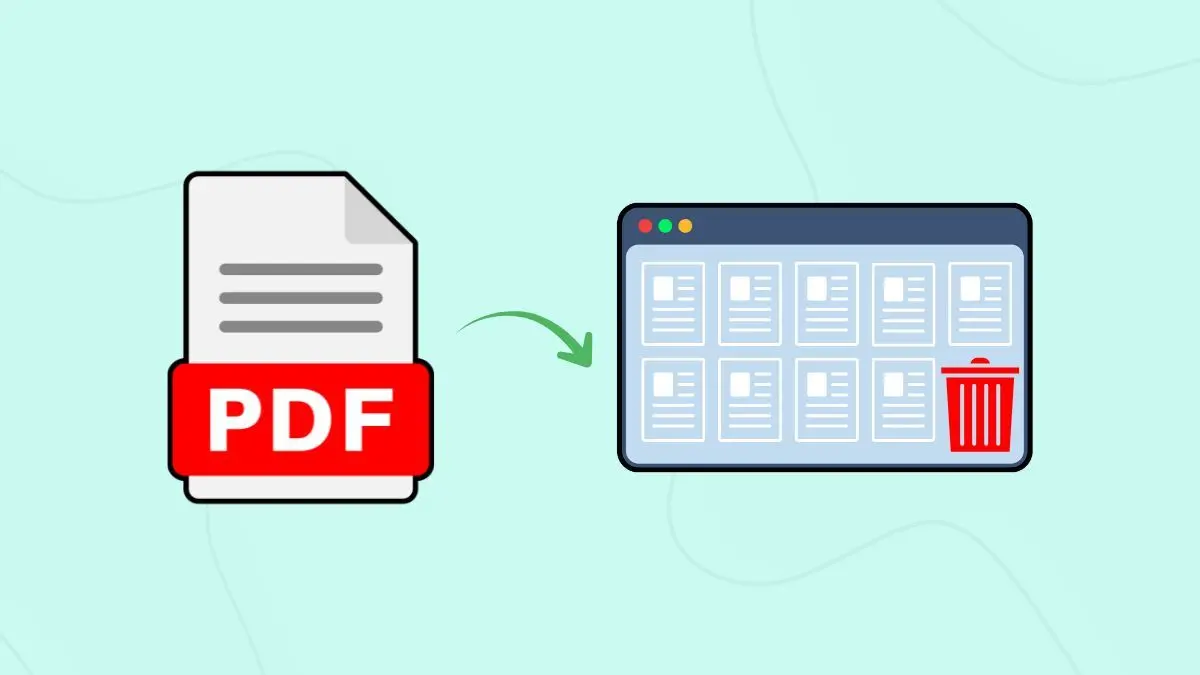
Managing large documents often becomes stressful when extra sections appear. Many users need to remove pages from pdf while keeping text, sharp images, clear layouts steady. Careful editing helps reports stay neat, contracts stay accurate records stay useful. This guide explains safe approaches that protect clarity while trimming unwanted parts. Each method focuses on control precision and trust. The steps fit daily needs, work tasks, study files sharing goals.
Why do unwanted pages create issues
Extra pages make files heavy, confusing hard to review. They distract from key details, slow sharing raise printing costs. Removing them improves focus, speeds tasks saves space. A clean document supports better reading, smoother approval faster decisions. Accuracy improves when only the required pages remain visible without clutter.
How quality loss happens
Quality loss occurs due to poor tools, wrong settings rushed steps. Some editors compress images, alter fonts, or shift spacing. This affects trust and readability. Choosing proper options prevents blur distortion and layout breaks. Careful preview before saving protects the original look.
Using built-in document viewers
Many systems include viewers that allow page removal. These tools keep the structure intact since they follow native rules. Select pages confirm deletion, save a new copy. This approach suits simple tasks when only a few pages need removal.
Checking results before sharing
Always review the edited file fully. Scroll zoom print preview. Look for missing text, shifted images broken margins. Early checks prevent errors during sharing. A quick review saves time, avoids rework supports confidence in the final output.
Saving copies wisely
Never overwrite the original. Save edited versions with clear names and dates. This allows recovery if mistakes occur. Organized storage keeps work safe, supports tracking, helps teamwork, and avoids confusion later.
dQuick safety checklist
- Save the edited file as a new copy to keep the original safe for backup needs.
- Avoid low-quality compression settings that reduce clarity during export or saving steps.
- Review the entire document once more to ensure flow accuracy and page order stability.
A reliable workflow keeps files clear, trusted ready for use. Choose suitable tools, follow careful checks, save copies review fully. These steps solve common problems without harming layout or clarity. When handled with patience, accuracy remains strong, and results stay clean. Applying these practices ensures confidence whenever you need to remove pages from pdf while preserving the original look and structure.